Big, Bold Rams in RMNP
Magnificent Rams Down from the Mountain Top
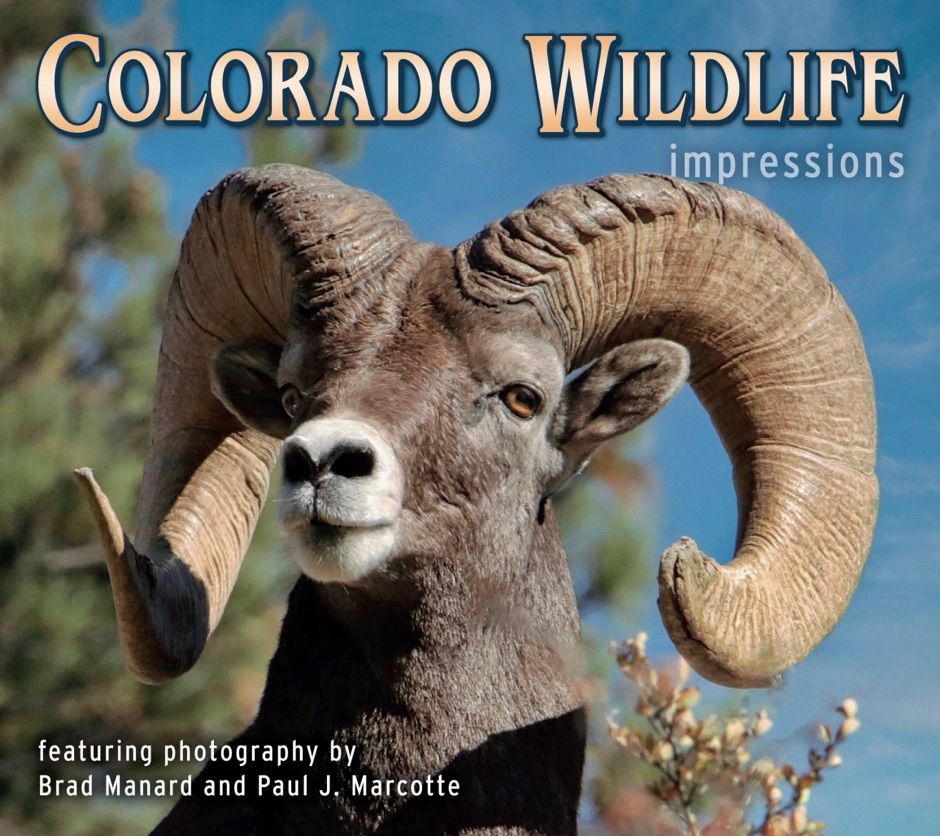
It’s been a while since I’ve seen a large group of bighorn sheep rams in RMNP. It seems they used to be around more, the rams with bold chests and lifted heads standing proud like a sculpture on a rock. Luckily, in the past couple of weeks, six magnificent rams have come down from the mountain top.
As with this year, back on June 3, 2021 I captured a large group near Sheep Lakes. I remember they strode down the mountain, crossed the road in a nervous rush, and reached the lakes where they often feed in the early summer.
Upon their return to the mountainside, a group of four rams came striding over the slight hill between the lakes and parking area. It was as if they were warriors returning triumphantly from battle. It’s still one of my favorite bighorn images.
That same year, during the bighorn rut, I traveled into Big Thompson Canyon to find several frolicing rams and ewes bounding about the rocky cliffs. They were muscular with their curled horns and thick 300 pound bodies. As they worked the cliff, I’m sure they were wondering what the old but sometimes wise guy with the protruding belly was doing behind his camera. So, they stood and smiled for me.
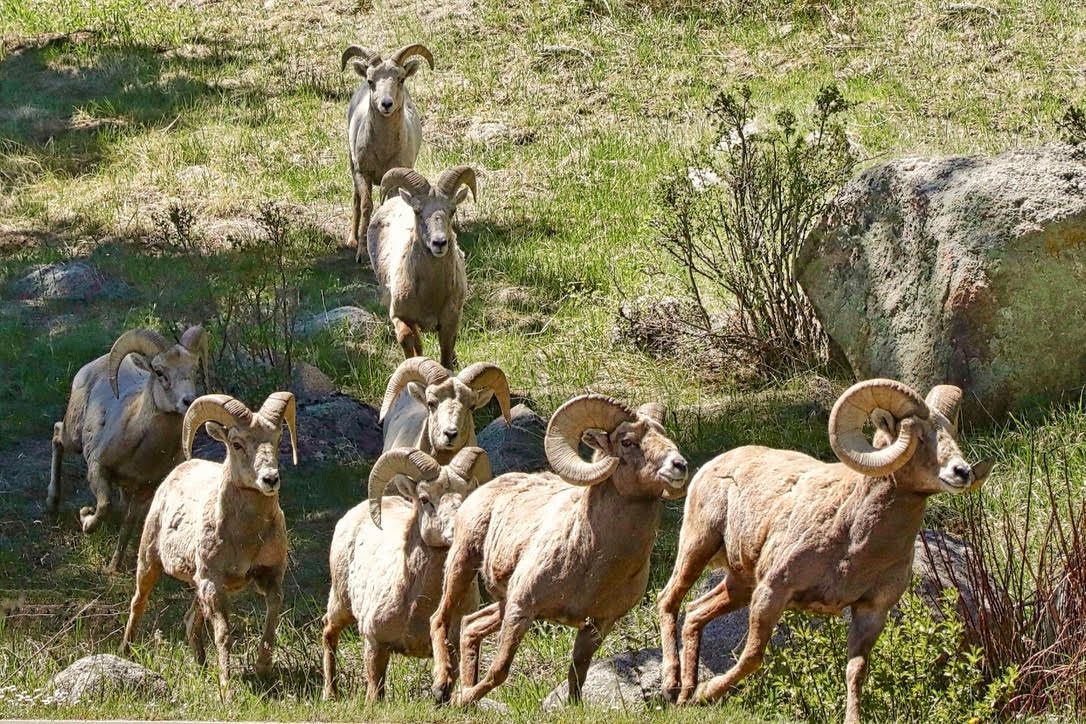
In May 2023, driving up from Loveland, I came across nine handsome rams. They were feeding on the lush grasses along the road for over an hour allowing me to capture them in action. Then they began a formal shoulder-to-shoulder stride down the highway. I rushed back down the road to get in front of them. There, I captured the power of a wall of rams willing to take on slow moving Ford Escapes, powerful SUVs, and semis out for delivery in Estes Park.
Tragically, on July 29, 2024, the Alexander Mountain Fire burned 9,668 acres along the northside of the Big Thompson Canyon. Sadly, many of the sheep were lost to the fire.
Since then, I’ve been missing the bighorns and their daring mountainside antics, the way their specialized hooves and suction cup soles provide a grip on the rocks as they do daring leaps and impressive climbs up and down the cliff walls. So, on May 24 of this year, when I saw on the RMNPhotographer-Estes Park Facebook page photographer James Combes’ incredible bighorn shots from inside RMNP, I was off with my camera.
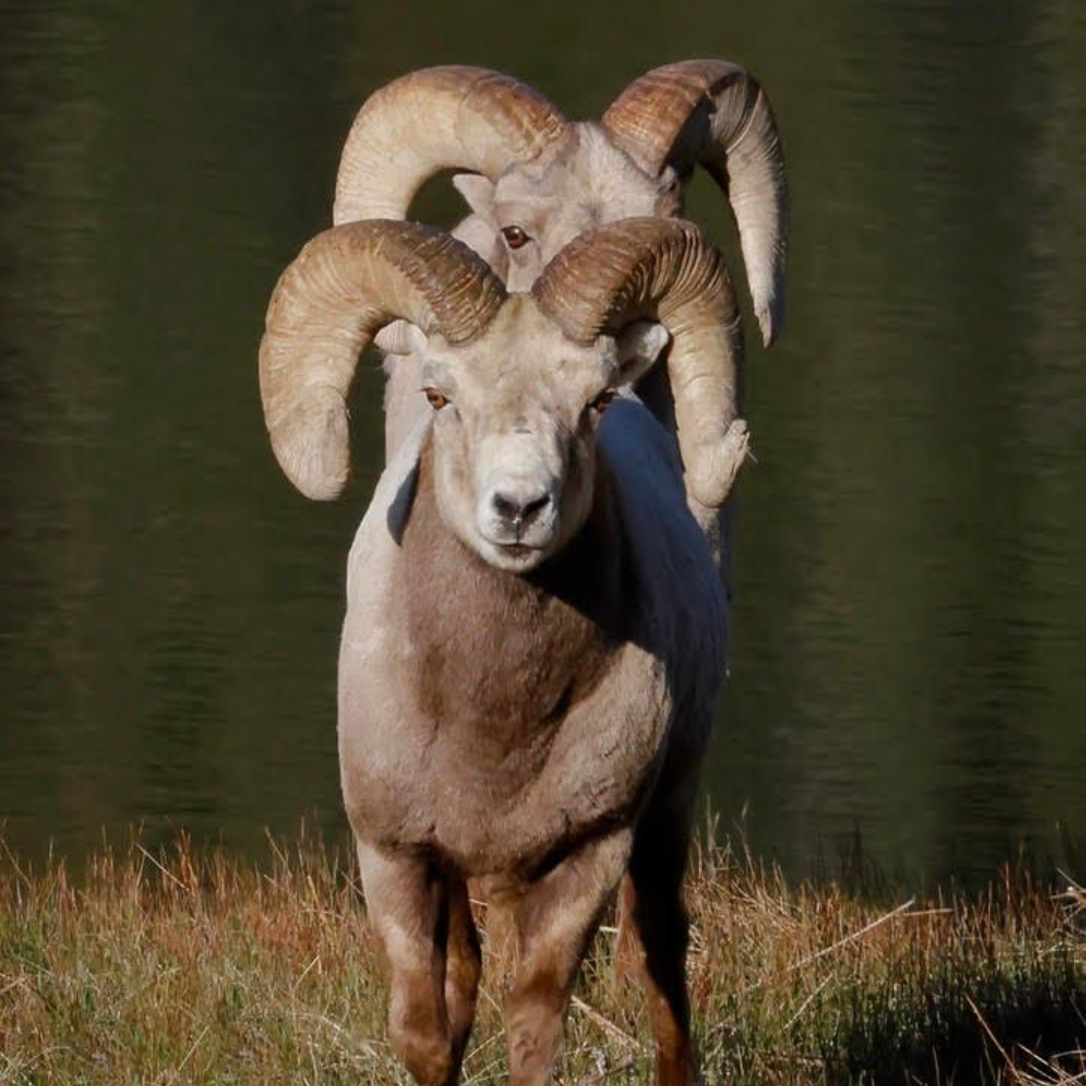
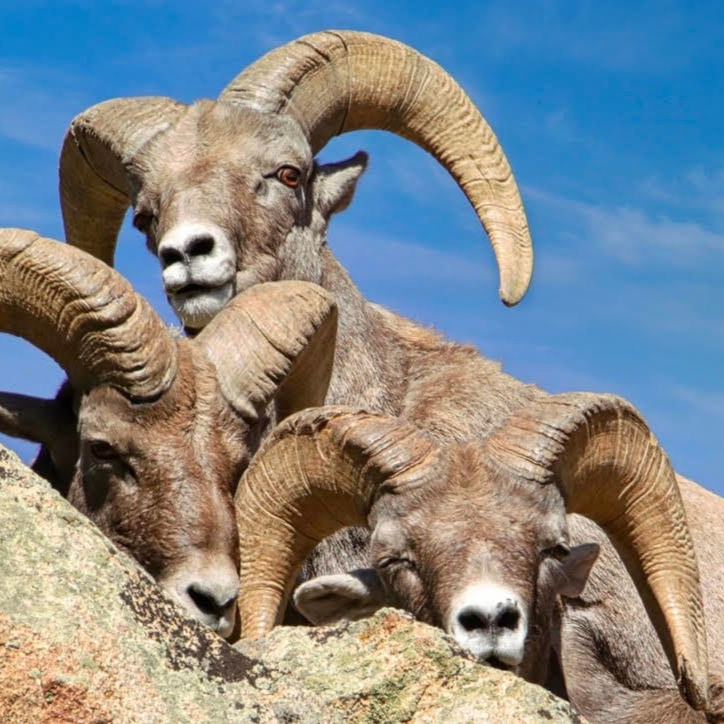
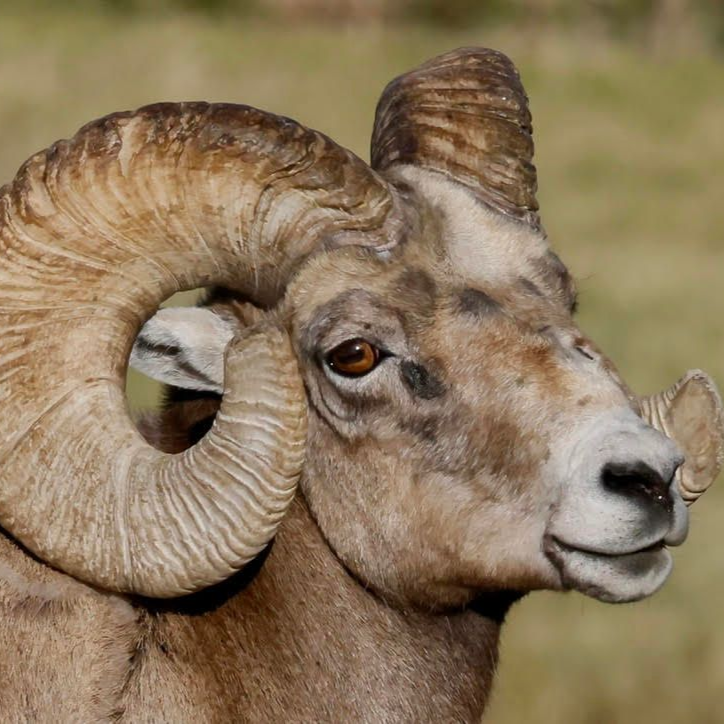
As the sun began to peak over the mountains from the Colorado prairie, I found the rams had descended from the Mummy Range and were sleeping on the hillside. Parking, I set up my tripod, put on my new 600 mm, f/4 prime lens, and waited with other photographers. Waiting with my fellow photographers, stories were told, sightings were verified, and tourists looked through my camera lens to see the powerful, magnified mammalian symbol of Colorado.
Then, one at a time, they stood, nibbled the grasses at their feet, and began to meander down the hillside. I kept my camera on them because I knew it was coming. I knew their often timid behavior would force them to begin a sprint. They wanted to get to the mud surrounding Sheep Lakes, but feared the people and cars. So I stood watching until suddenly their gallop began as they rushed down the mountain, crossed the highway, and sprinted toward the edge of the lake.
While bighorn sheep primarily graze on the mountain grasses and foliage, Sheep Lakes offers a special nutrient. At the edge of the lakes, they eat the mineral-rich soil and mud with replenishing nutrients lost during the challenges of winter. This is what brings them to Horseshoe Park in the spring.
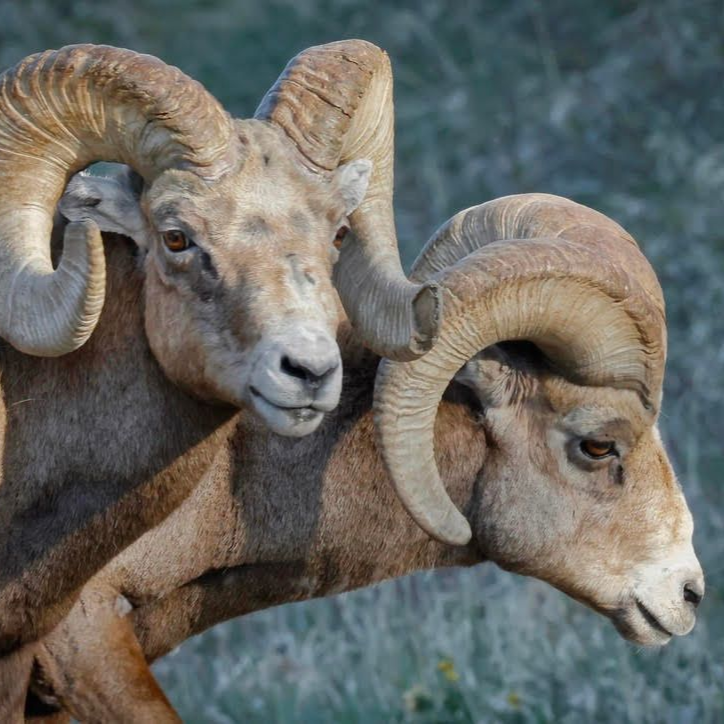
Two of the rams had impressive full curls, another four with half to three quarter curls. Their dynamic horns looked powerful, made of a thick outer sheath of keratin. Like human fingernails and hair, they wrap around an inner core of living, porous bone. The nutrients keep them strong.
Once they reached Sheep Lakes, I photographed them. But my hope for an image was that I wanted them to repeat the walk of the four rams in 2021. I stood behind my camera, watching and waiting while they nourished themselves on mud and green grasses. I waited until another photographer pointed to the fourth lake. There, two ewes and their yearlings had quietly descended from the hillside. The rams took notice.
Instead of striding over the hill in marching fashion, they were off on a sprint toward the fourth lake joining the ewes and lambs as a group of ten. I watched them go, running with power and determination, and I was glad to see them back at Sheep Lakes. They are the powerful image of Horseshoe Park, the official state animal of Colorado.