The Metamorphosis and Other Strange Beliefs
When Do the Deer Become Elk?
We’ve all heard it, the story of the metamorphosis. The story believed by those not yet educated in the ways of wildlife. I first heard it many years ago laughing over a beer in Lonigan’s. Scott, the bartender, told me, “You won’t believe what some tourists think.”
“What do you mean?” I asked. What he told me, I’d never heard. Since then, I’ve heard it several times while leading flatland visitors on a RMNPhotographer Tour into the great wilderness called Rocky Mountain National Park. It’s something they’ve never experienced, and a visitor from, let's say, the concrete world of downtown Chicago will ask, “When do the deer become elk?” or “How old are the elk when they become moose?”
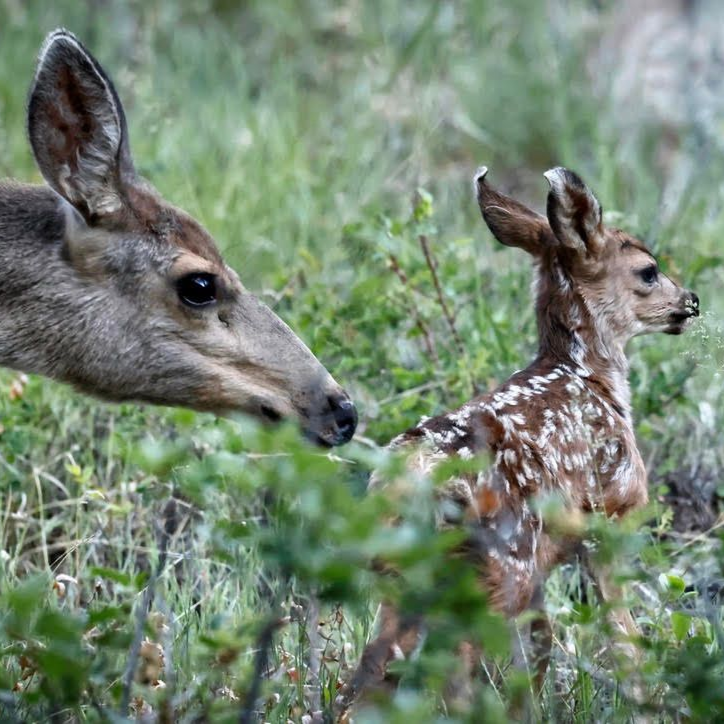
Metamorphosis is not Bruce Banner turning green and transitioning into the Hulk. Metamorphosis is a biological process when an animal physically transforms after birth or hatching, resulting in a drastically different adult body structure. So, it’s a fawn becoming an adult deer; Bambi becoming The Great Forest King, but still a deer.
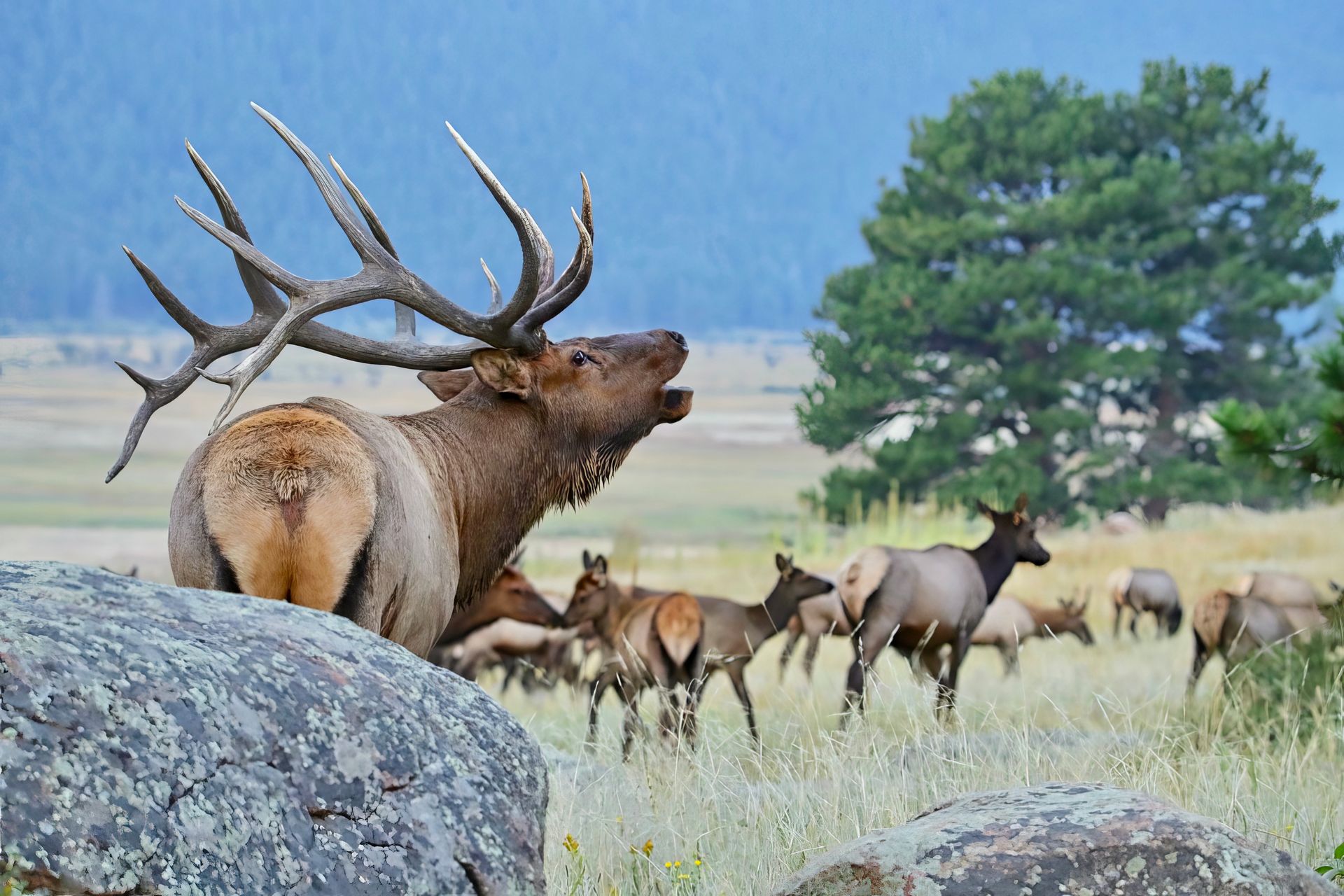
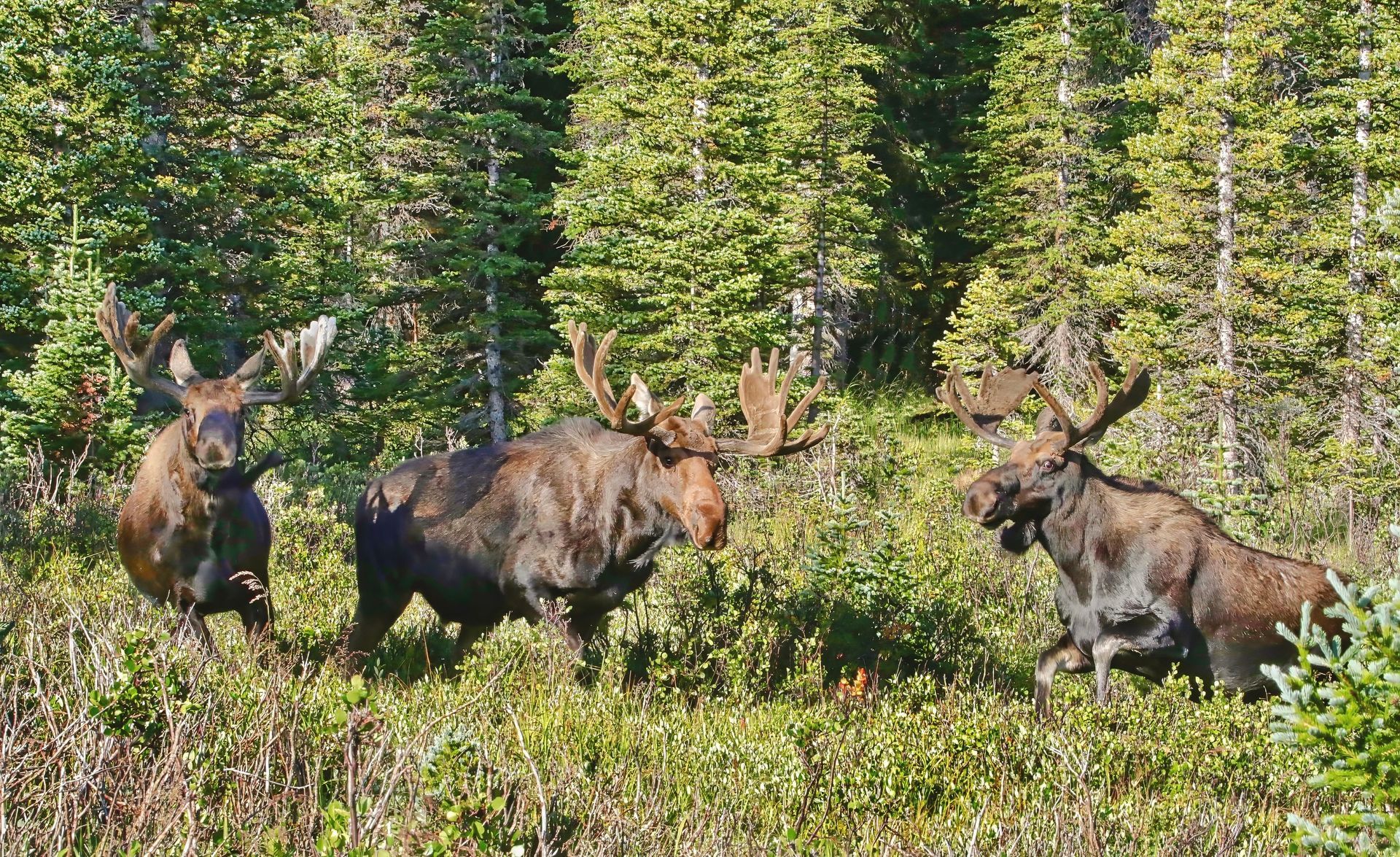
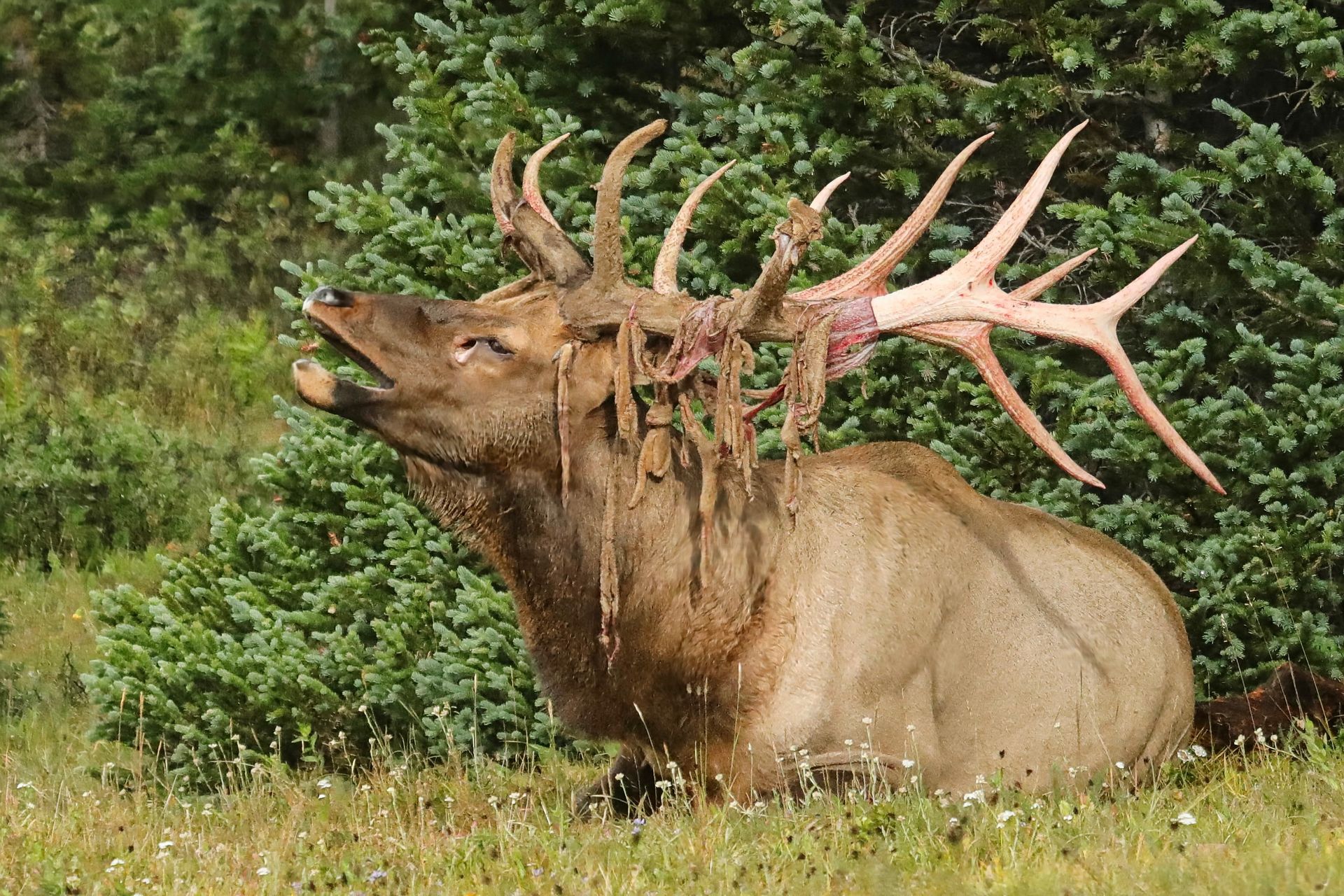
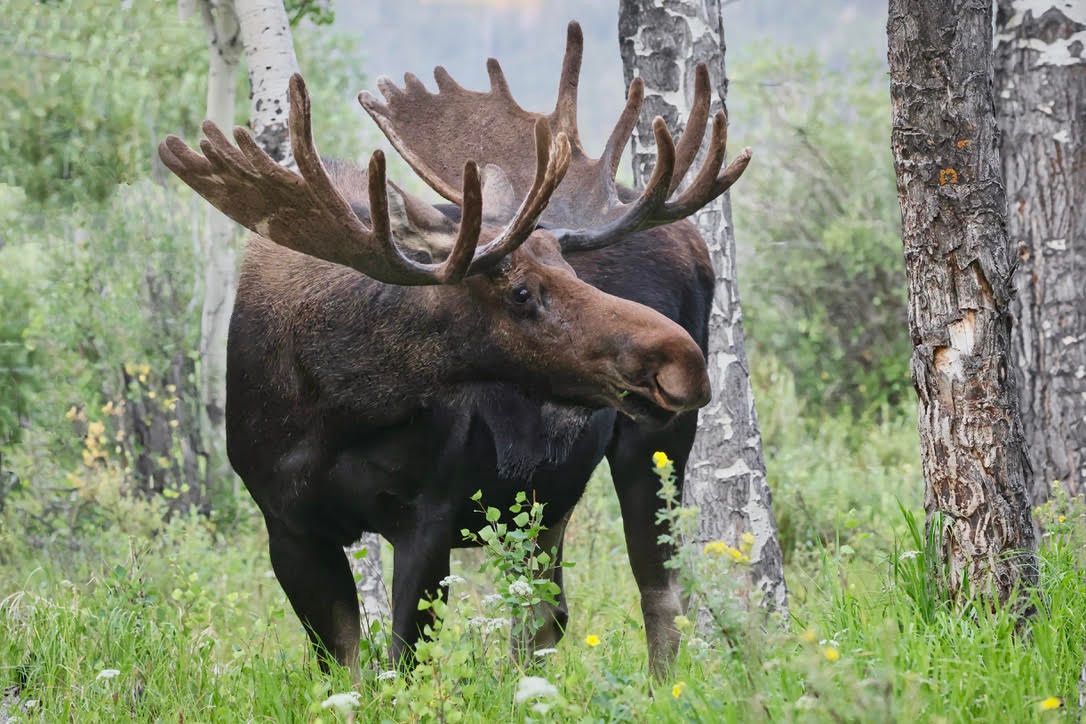
Yet, to a tourist uneducated in wildlife, it seems like a logical question. When does a 200 lb buck become an 800 lb bull elk and then transform into a 1,200 lb Shiras moose? That’s the metamorphosis question most locals have heard from visitors to RMNP.
So what motivated this article? A local did. I was having lunch in a local establishment when I overheard the bartender explaining the elk migration to two retired couples from Nebraska. He explained, “We use the elk to attract tourists to help with the economy. In October, we have Elk Fest, so we herd the elk from the park and drive them down into town so people can enjoy Elk Fest with the elk wandering around town.”
Being the person I am, as the couples stood to leave, I introduced myself casually explaining, while trying not to throw the bartender under the bus, the migration pattern of the elk. They listened with interest and curiosity. “So do you herd the elk?” They asked. I laughed, “No, they do a pretty good job of herding themselves. Their migration is a natural process.”
Explaining where I live along the Big Thompson River, I told of the times in the fall when we’ve had up to two hundred elk migrating from the higher country through our development moving toward winter grazing in lower elevations. I explained, “They do so without the help of a cowboy yelling ‘Yeehaw’ or Australian cattle dogs nipping at their heels.”
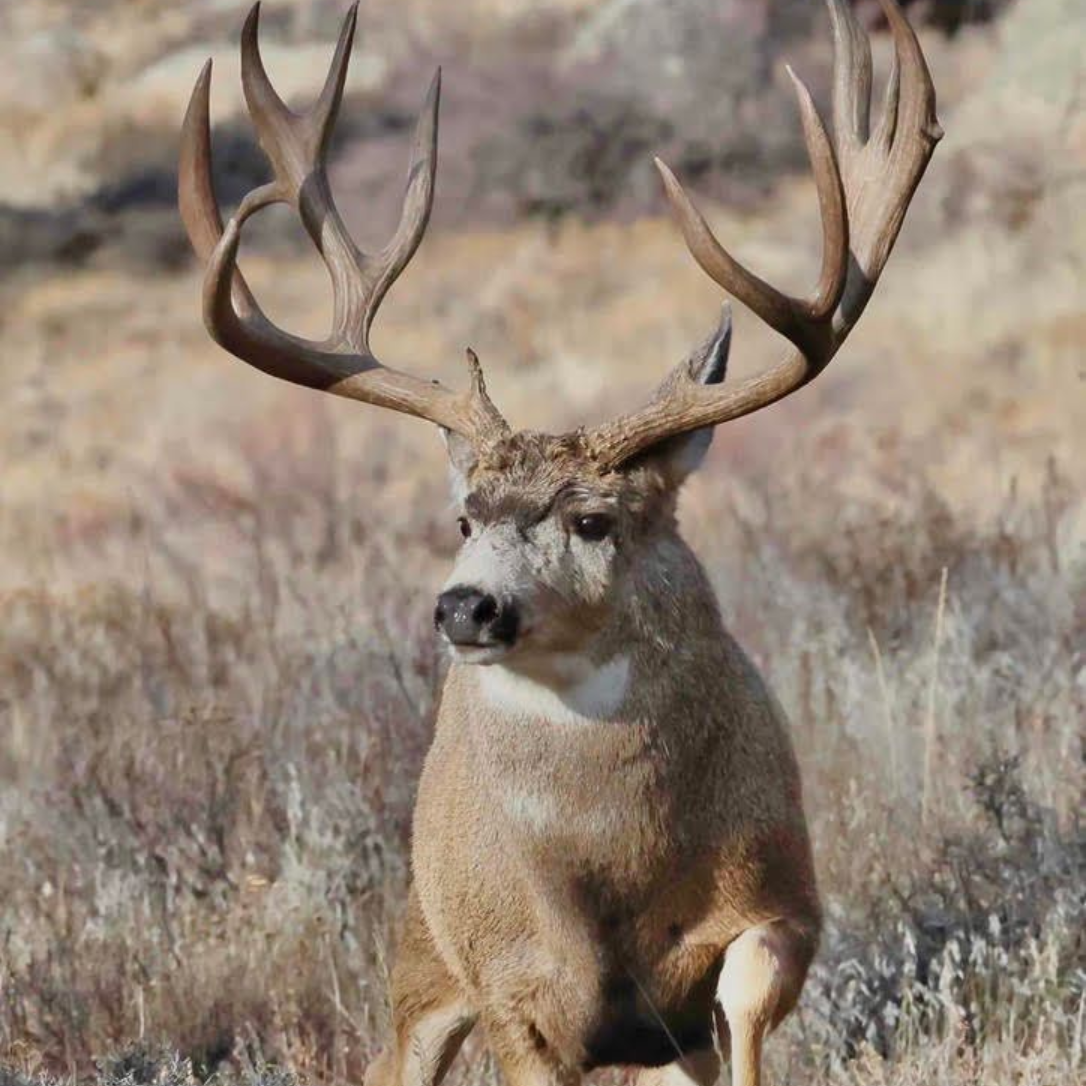
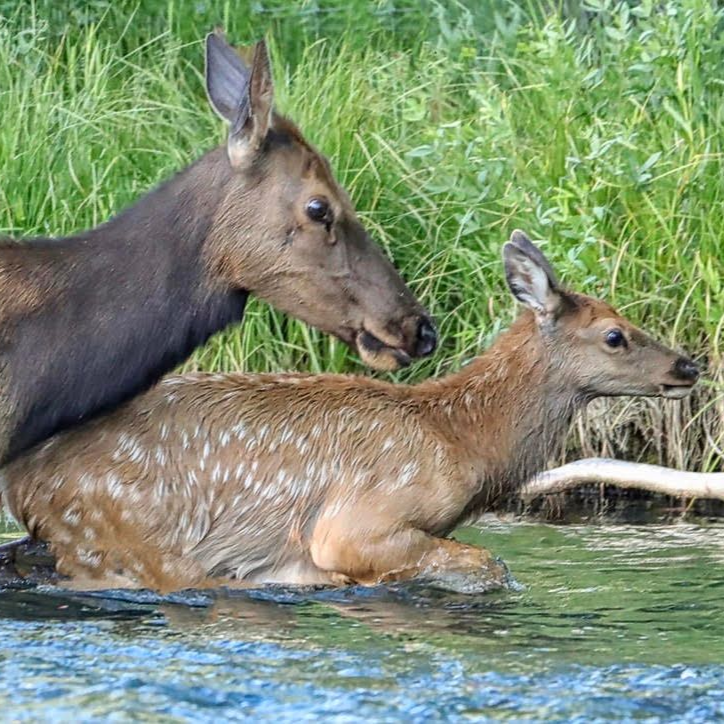
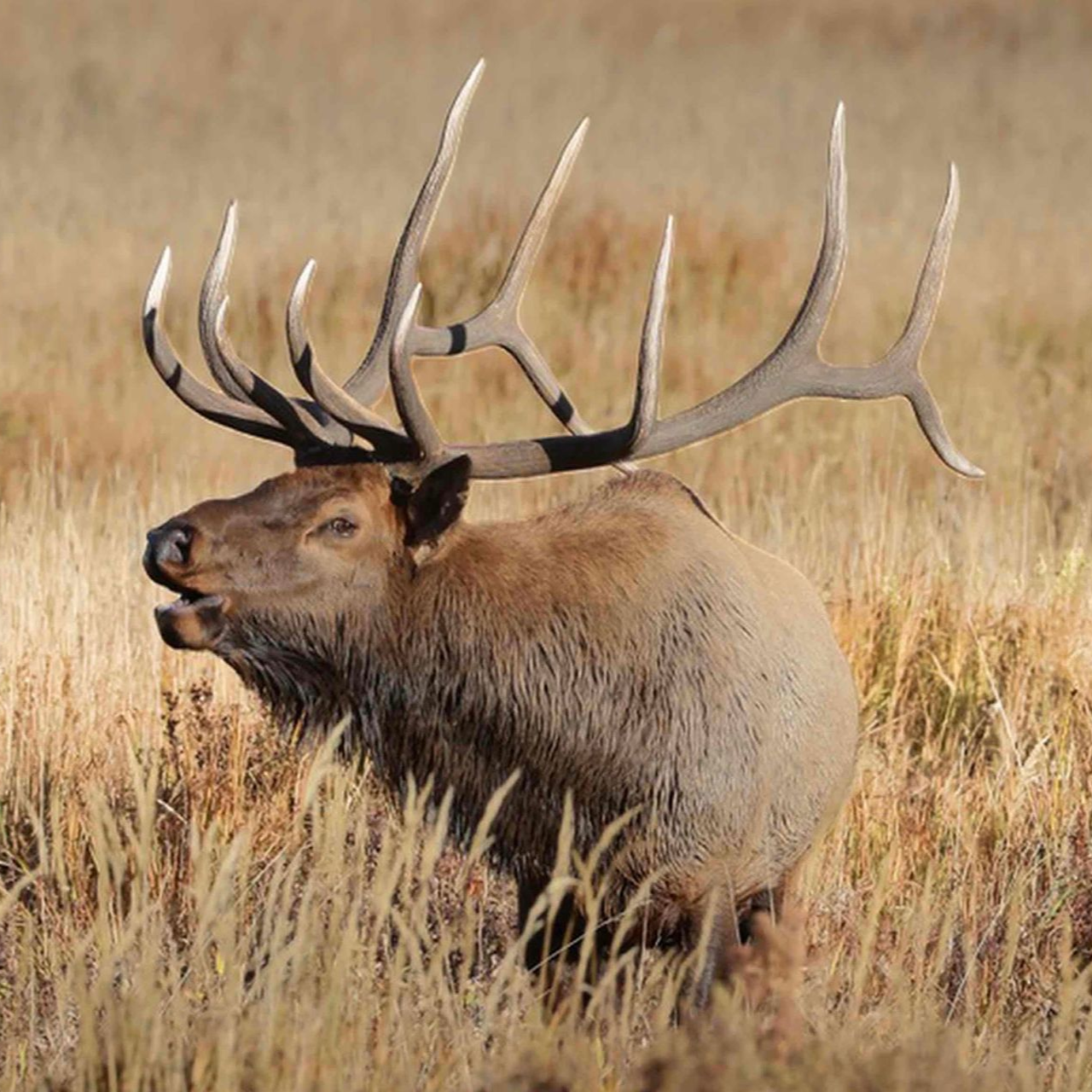
]It reminded me of the time on a tour when I stopped to explain the fenced in areas in the park, part of the Elk and Vegetation Management Program. Put up around 2008, fences protect vegetation and aspen trees from elk allowing for the natural regrowth of vegetation. As I pointed at the fence, a guest asked, “Is that where you keep the elk at night?”
Where people get this idea that we control the wildlife, herding them into fenced areas for safe keeping, I don’t know. But for those not educated in RMNP’s wildlife, it seems like a good question. In reality, the fencing is there to protect a vulnerable ecosystem, specifically aspen groves and willow wetlands from being over grazed.
When originally put up in 2008, the fences were high enough to keep the elk out, but now with a growing moose population, moose are often seen inside the enclosure. Why? Well, at six feet tall at the shoulder, moose can jump a lot higher than elk.
So when a RMNPhotographer Tour enters Horseshoe Park, and there is a moose inside the enclosure, a guest will exclaim, “Oh, you keep them in there so we can see them. It’s like a zoo. How nice!” That’s when I open my phone to a picture of a moose jumping a tall fence, and explain, “No, they get in there all by themselves. With the thick vegetation growth inside the fence, it’s very attractive. The lush willows are like a moose buffet.”
This always leads to an excited utterance of, “A moose can jump a fence?” “Yes,” I explain, “despite their bulk and awkward appearance, moose are incredibly agile. They can easily leap over a pretty high fence.”
So part of what we do on RMNPhotographer Tours is educate our guests. We explain there is no metamorphosis from species to species. Deer are deer, elk are elk, and moose are moose. Tourists, on the other hand, are the same species, yet each has a whole different life experience. Some know, as they say in Yellowstone, not to “pet the fluffy cows,” while others are excited to get their picture smiling next to a mother elk protecting her newborn.
That’s another “No, no!” they might not understand. Deer, elk, and moose will protect their babies like a mother bear with razor hooves. They can each stomp you like a mother bear would chomp down on your fleshy body, mostly when protecting their young. So educating them on wildlife behavior and safety is part of what we do.