It's the Eyes
The Golden Rule in Wildlife Photography
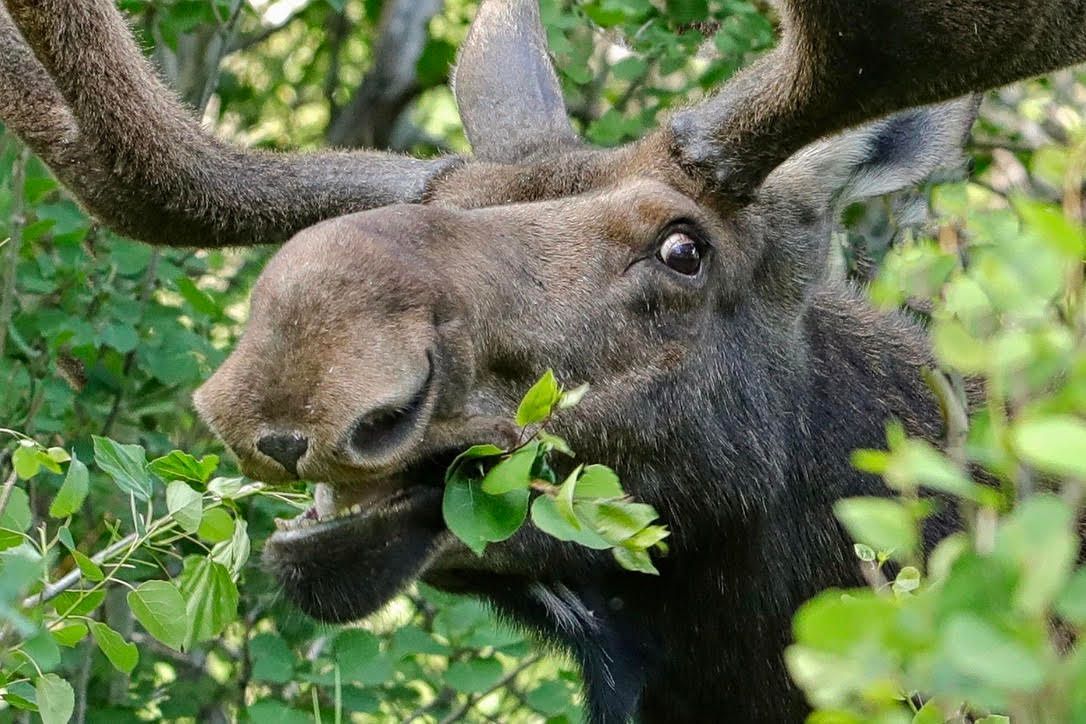
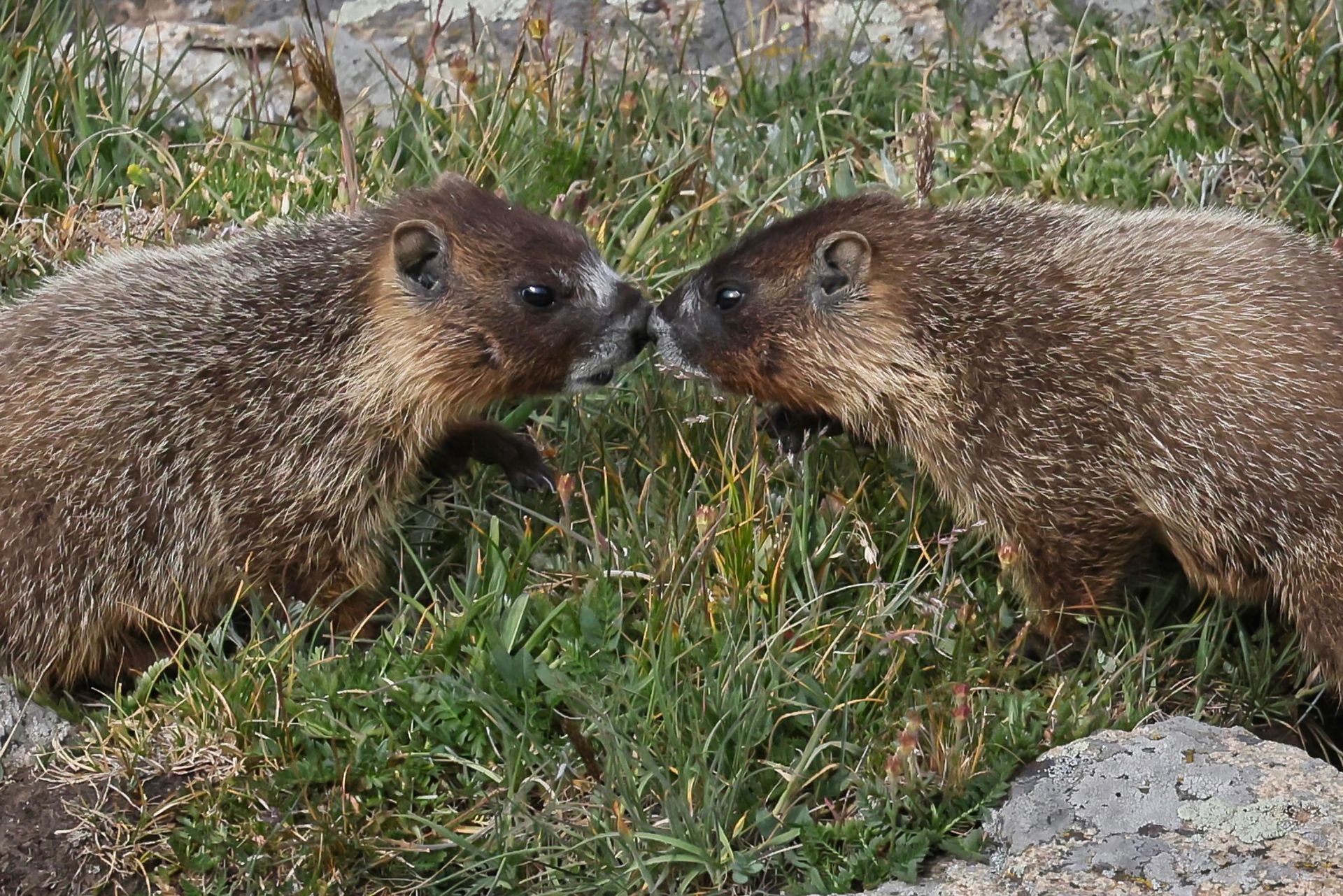
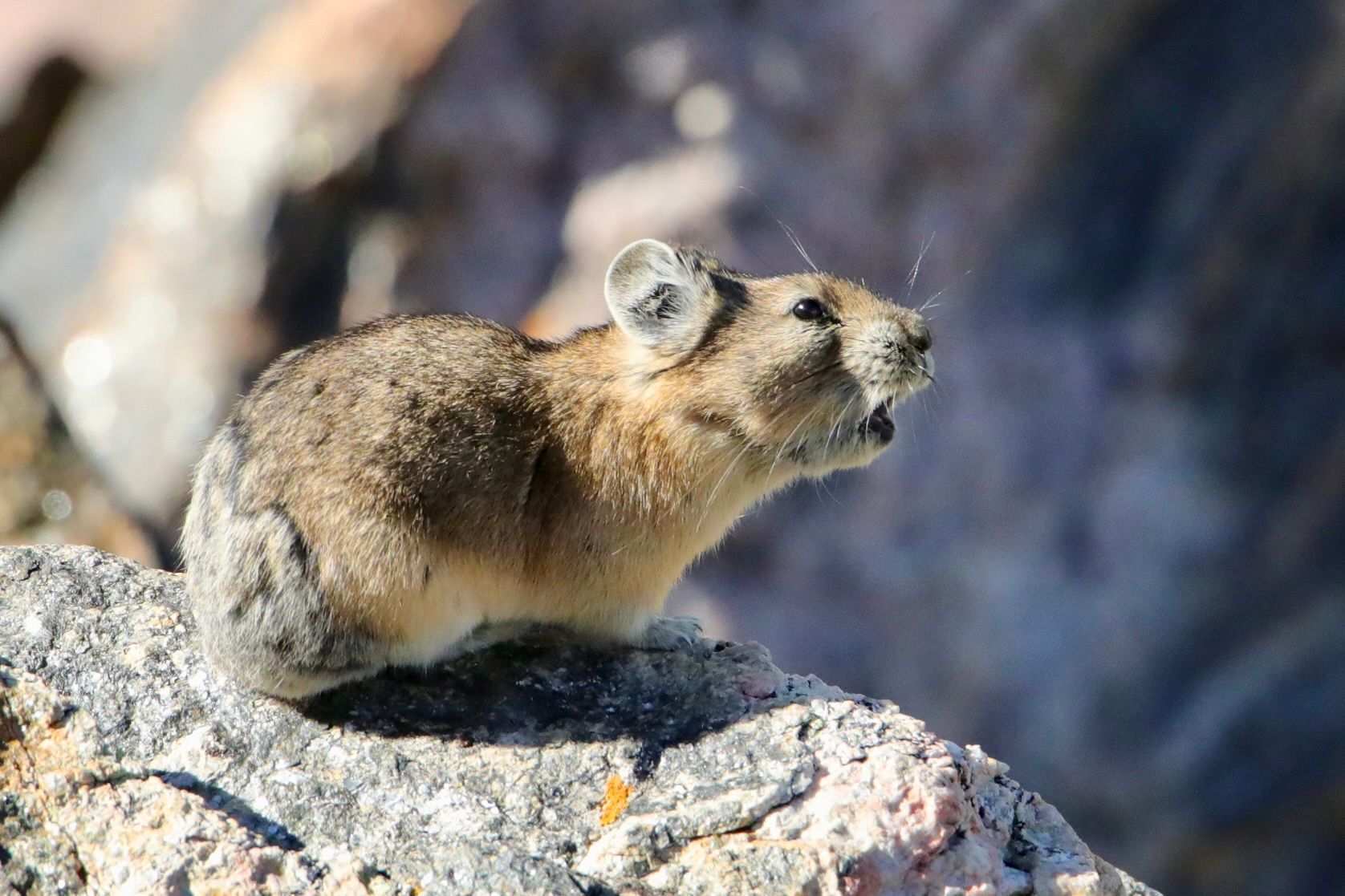
It’s the eyes. In wildlife photography, it’s the eyes. Focusing on the animal’s eyes matters because it creates an immediate emotional connection with the viewer.
Because humans instinctively connect with faces by looking at the eyes, having them in crisp focus, especially on the eye closest to the camera, is considered a golden rule in wildlife photography.
Think of the personal connections you’ve made in your life, the impact of looking into the eyes of the one you love. That’s the emotional feeling a wildlife image can create by capturing the eyes of the animal. Sharp eyes anchor an image, making the subject feel authentic and alive. To help the photographer do this, camera technology has advanced significantly.
Most modern mirrorless cameras have advanced eye detection using artificial intelligence and face-detection algorithms to automatically track a subject's eyes in real-time, even when the subject is moving rapidly. It’s pretty amazing to look through the view finder to see a small blue square locked in around an elk’s eye.
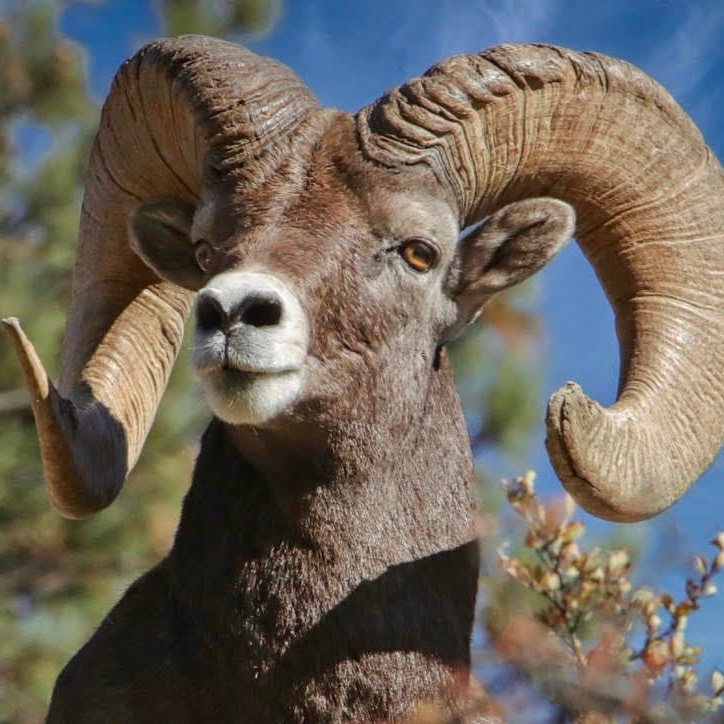
From that I’ve learned, bighorn sheep have amber eyes with oval pupils. Moose can glare at you from one eye, letting you know their level of comfort. Bald eagles and great horned owls have yellow eyes, predominant and impossible not to be intimidated by. Being stared down by an elk lets you know their mood which is often a warning. You’ve heard of “doe eyes?” Watch a fawn stare into your camera, it’s big, beautiful brown eyes and long lashes expressing innocence.
That is the impact of focusing on the eye. If you look closely at the images created by the exceptional photographers of the world, you’ll notice the impact of clear eyes and depth of field. With the eyes in focus, the image clarity can fade. The shoulders may not be quite as clear, the hips a bit fuzzy, and the background completely blurred, but the picture is beautiful because the clarity of the eyes have connected with your emotions.
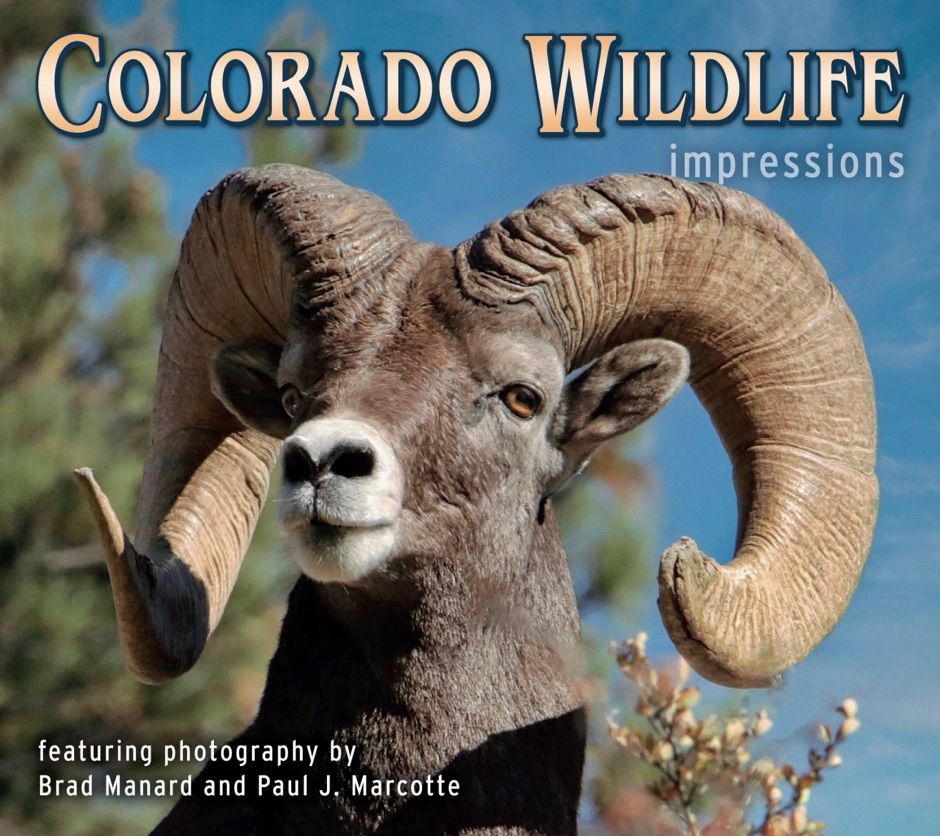
Recently, in Rocky Mountain National Park, the bighorn rams came down to the valley to feed. As I watched them, my eye focused on their’s. The sun reflected against the soft glassiness of their pupils highlighting their orange eyes. Then two rams began walking toward me. Not only did I capture the color, but with one behind the other, the second ram’s eyes stared from between the first one’s horns, and I knew I was being watched.
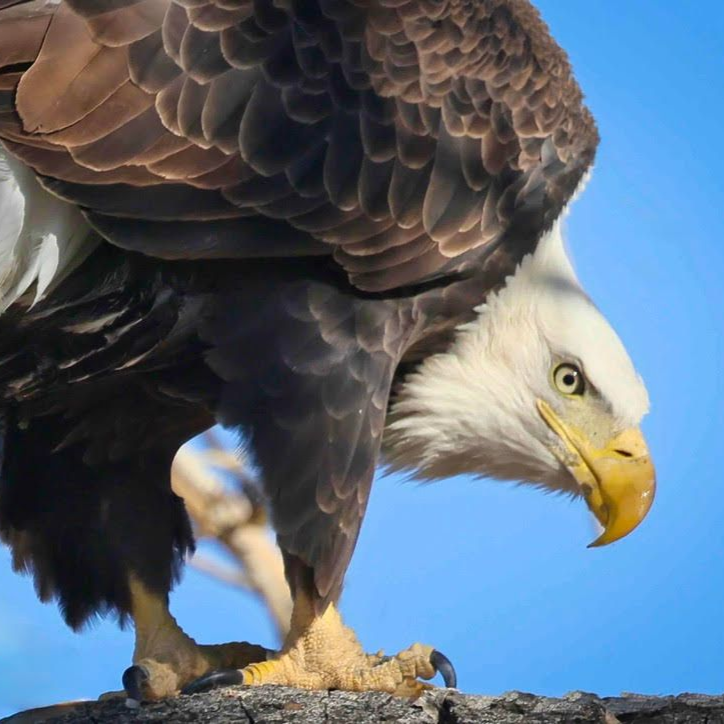
One of my favorite subjects is bald eagles. A challenge to capture with their flight speed, quick movements, and color, a cloudy sky can wipe out the details of their white heads, yet a blue sky makes them pop with a dynamic presence. Last winter, photographing a bald eagle sitting in a tree, he turned his head, his yellow eyes, nearly white intimidating with the power of his stare.
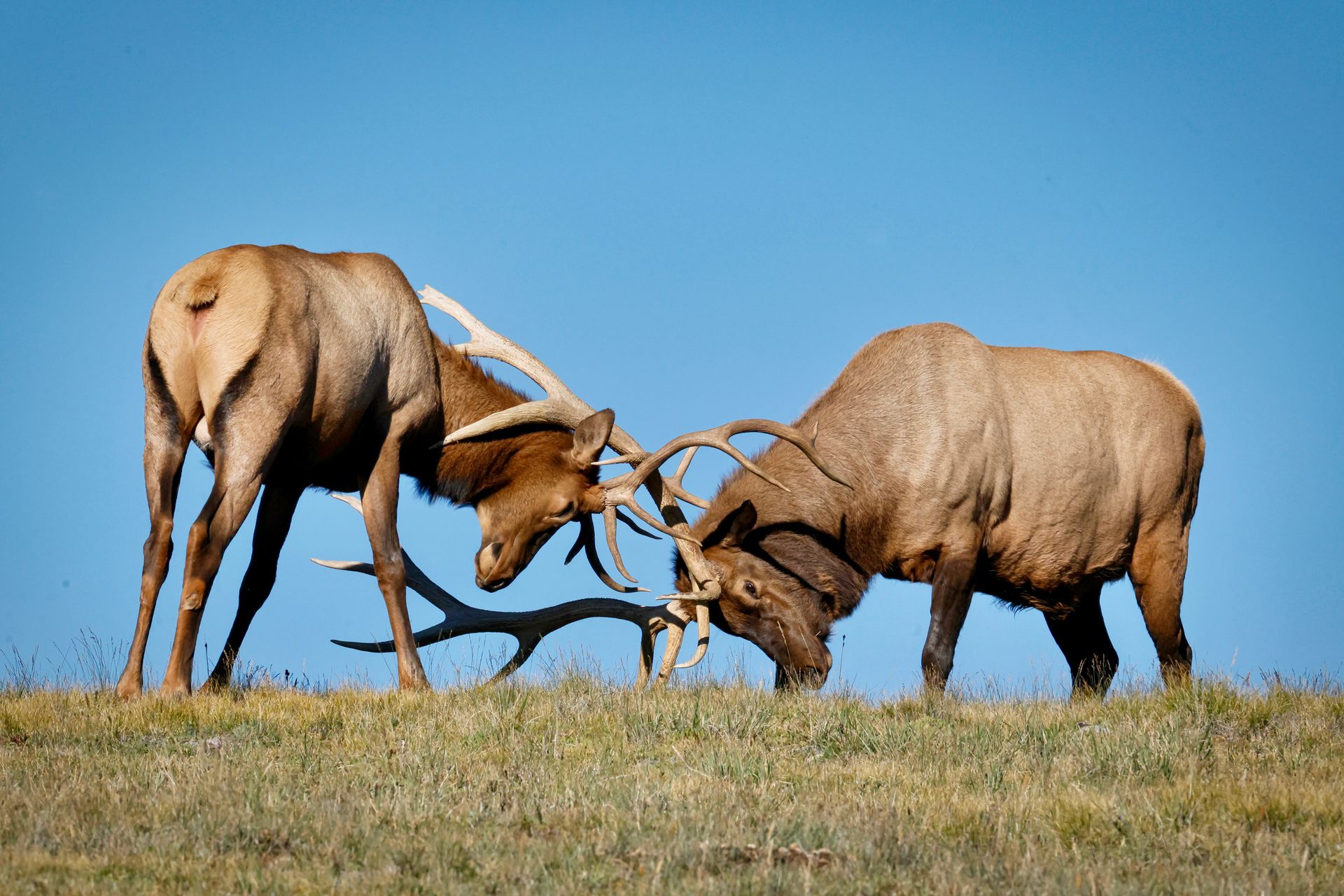
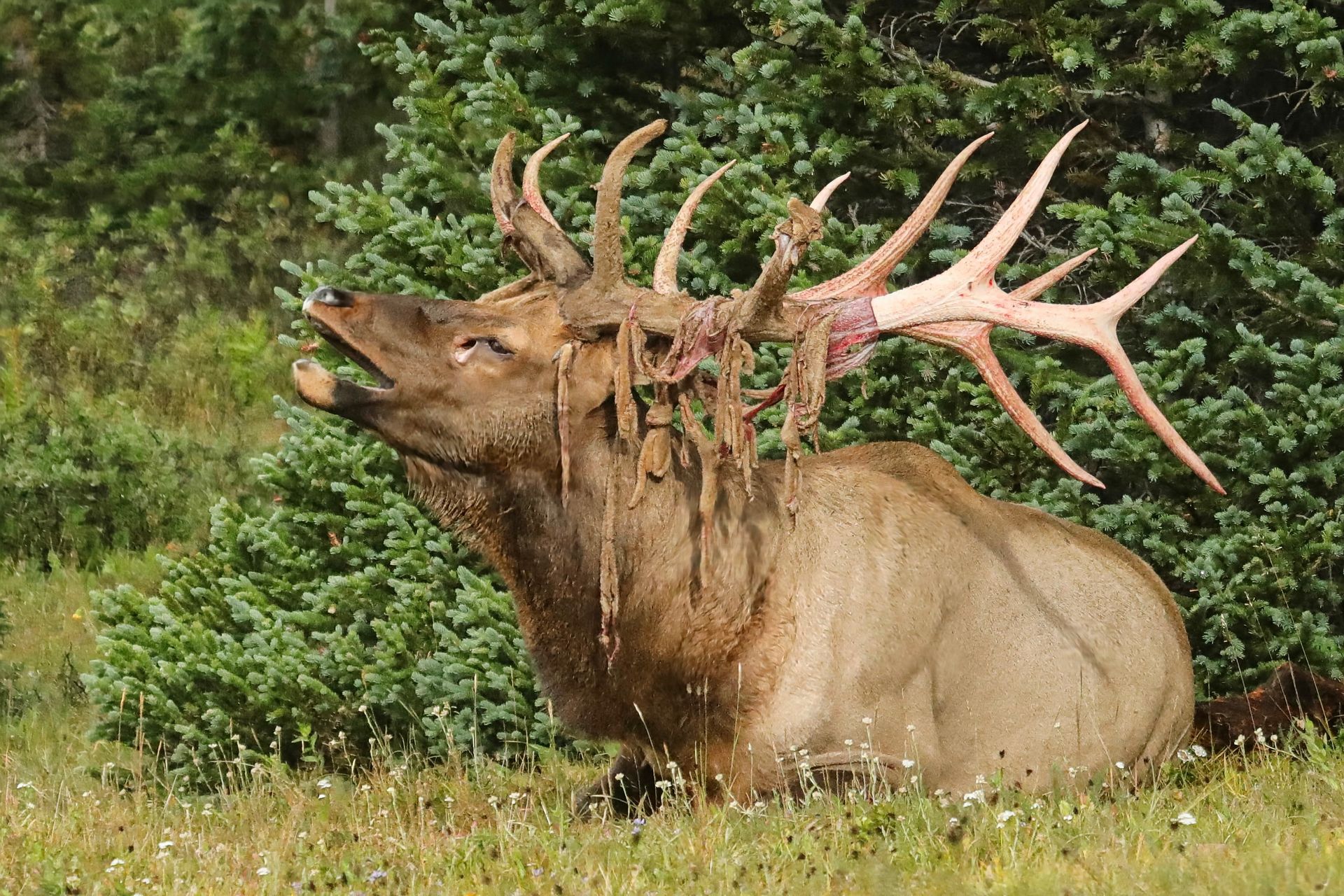
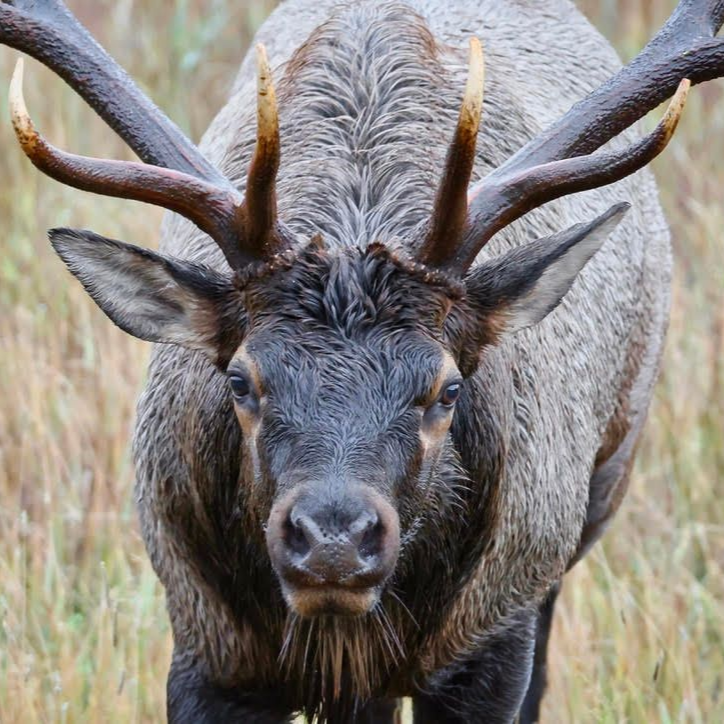
During last year’s elk rut, I was out before the sun peaked over the mountains, my camera on a bold bull elk, its coat wet with dew. That morning, the elk locked in on me, my zoom extended to bring the image closer. As he walked toward me, his head down and eyes glaring, I pressed the shutter. The image created the intent of a determined bull elk as his eyes focused on my camera lens.
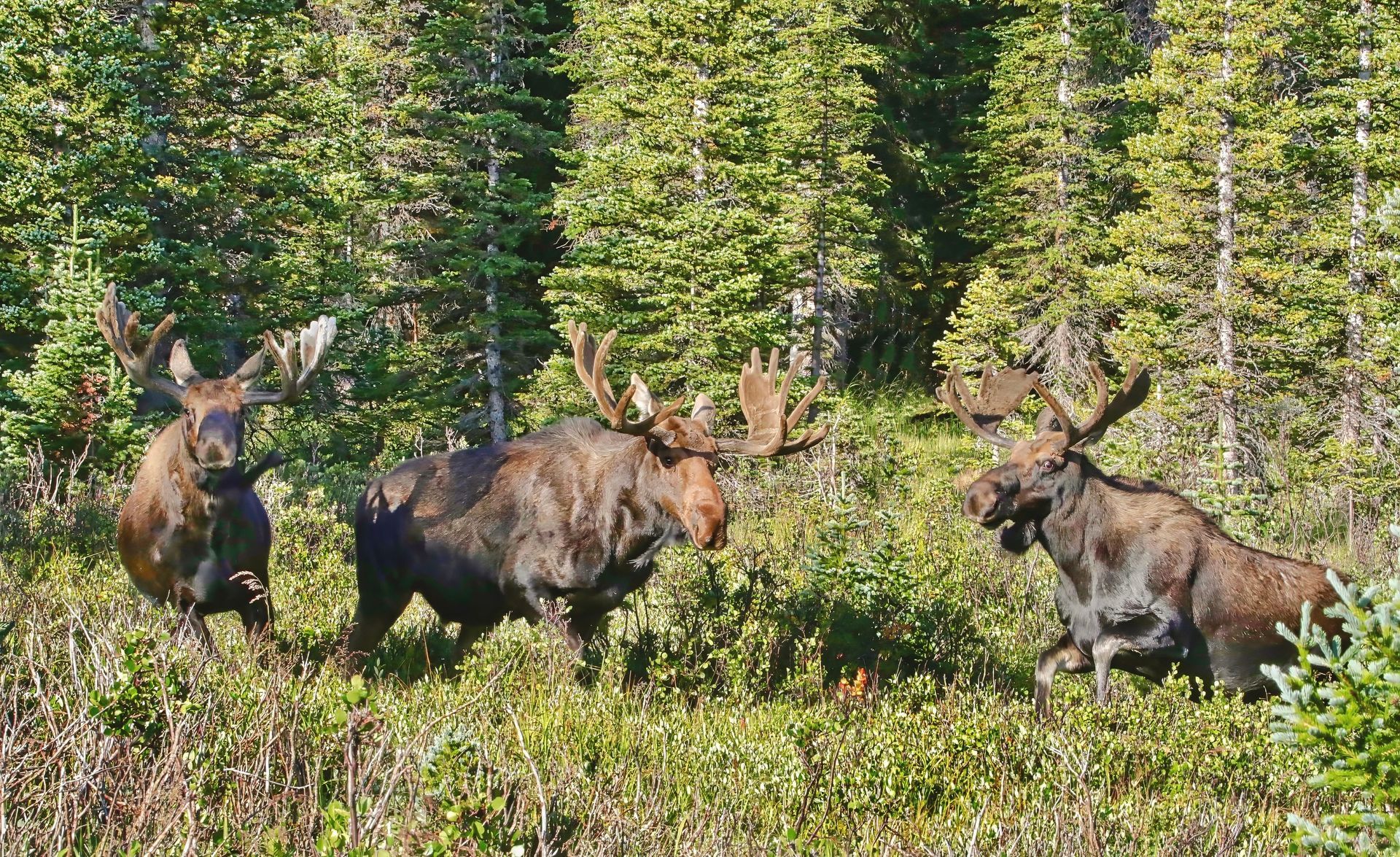
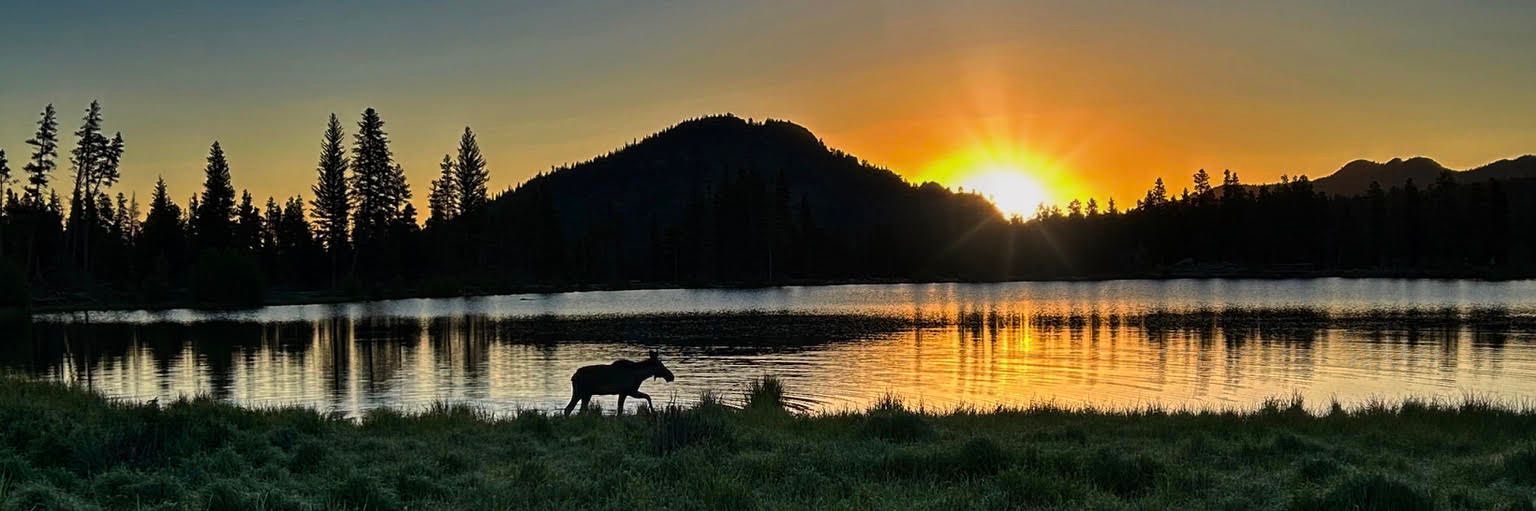
Moose can be the most intimidating, the impact of their eyes highlighted by their massive size. One day, I was watching a moose feed for an hour before it turned, moved behind a pine tree, and found a spot to rest while he digested his breakfast. As I tried to see where he was, his head turned, one eye locking in on me with a message to come no closer.
Another morning, a bull moose was feeding along the road. Stopping with my camera out the car window, he gave me the “evil eye.” It was an eye that said, “Don’t mess with me while I’m eating.” The glare he gave me, oh I remember my father when the news from school was not in my favor, his eyes on his young but ornery son. The moose’s eyes, like my father’s, stopped me cold.
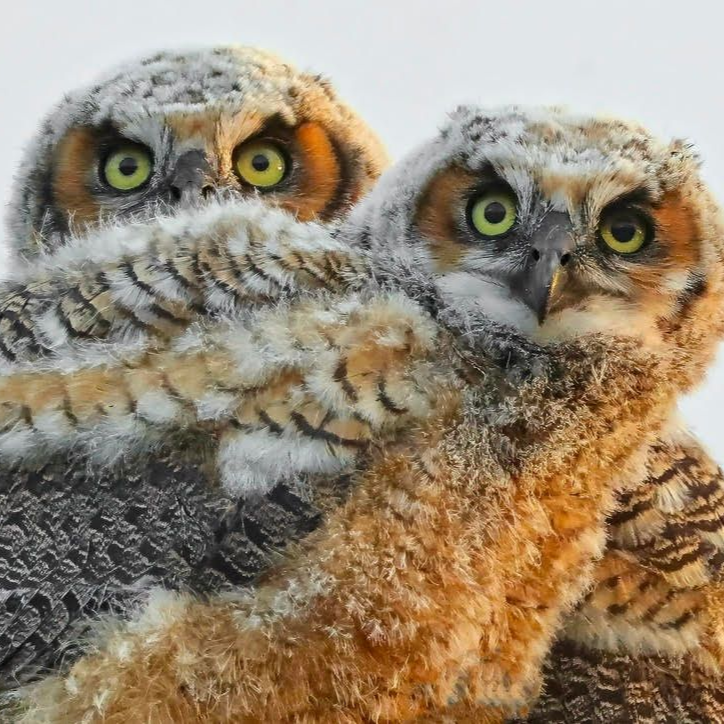
But my favorite eyes, the eyes that most attract and impress me, are the eyes of a great horned owl. They are a bright, glowing yellow against their shaded patterns of brown feathers. The adult owl has a glare, watching you with a beautiful yellow so bright they reflect the sun. And owlets have the same eyes, capturing you with their curious stare. Almost too big for their bodies, the round, bold yellow is always curious at your presence.
Eyes reveal thoughts, feelings, and emotions both in us and the animals around us. So when I view them through my camera lens, I lock on their eyes. I know the clarity will create the emotion that captures the viewer as they appreciate the image produced.