Who's Whistling at Me?
Marmots are Marvelous
Remember The Marvelous Marmots. Fun band, wonderful music, uplifting and entertaining…and with a great mountain name. The Marvelous Marmots. Like the lively squirrel themselves, the band’s name always made me smile.
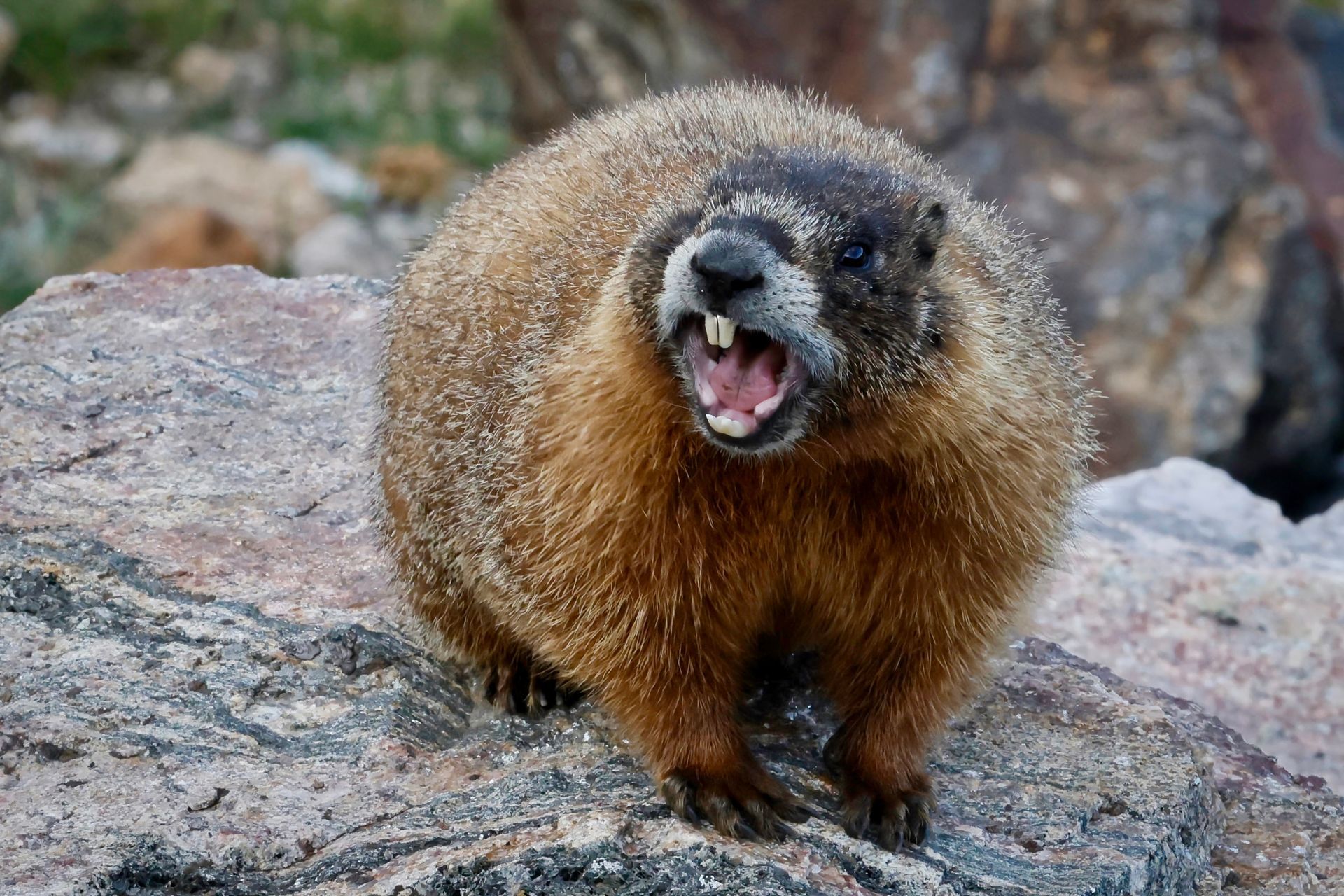
Marmots are a part of life in Rocky Mountain National Park. Before I knew they were marmots, I knew them as “Whistle Pigs.” They earned the nick-name because of the high-pitched chirp (or whistle) they make as a warning to other marmots about potential threats.
When in the park, especially at higher elevations, marmots can often be the entertainment. Perched on rocks, they view the surroundings like a sentry in a watch tower. From these lofty heights, they observe their surroundings watching for the threatening coyote or pesky 4x4 Jeep filled like a trojan horse with tourists asking, “What’s that groundhog looking thing?”
While related to groundhogs and woodchucks, marmots are reddish-brown with yellow bellies. In RMNP, the yellow-bellied marmot is the largest member of the squirrel family. In size, they can reach two feet in length and weigh eleven pounds. In RMNP where marmots often live at higher elevations, their thick, fat bodies have adapted as they hibernate throughout the brutal winters.
Marmots hibernate for about seven to eights months each year, spending over half of their total lives asleep underground. They typically enter their burrows between September and early October and emerge in the spring during April or May. During the warm months they spend their time gathering food and mating to enhance the species number.
Yellow-bellied marmots live in colonies digging elaborate mazes of burrows underneath high elevation meadows and rocky fields. In their condo complexes, one male may protect a harem of females. Mating occurs in spring when they emerge from hibernation and litter sizes average three to eight pups per female.
While out of the burrows in the warmest of temperatures, marmots feed in the open, one marmot standing as a sentry, whistling sharply when danger is near. So when a threat like this photographer driving his own whistling Hyundai Santa Fe hybrid approaches (yes, the hybrid whistles), the alarm is announced boldly with purpose, and the marmots are quickly off to the nearest burrow entrance, scurrying for protection from scary human invaders.
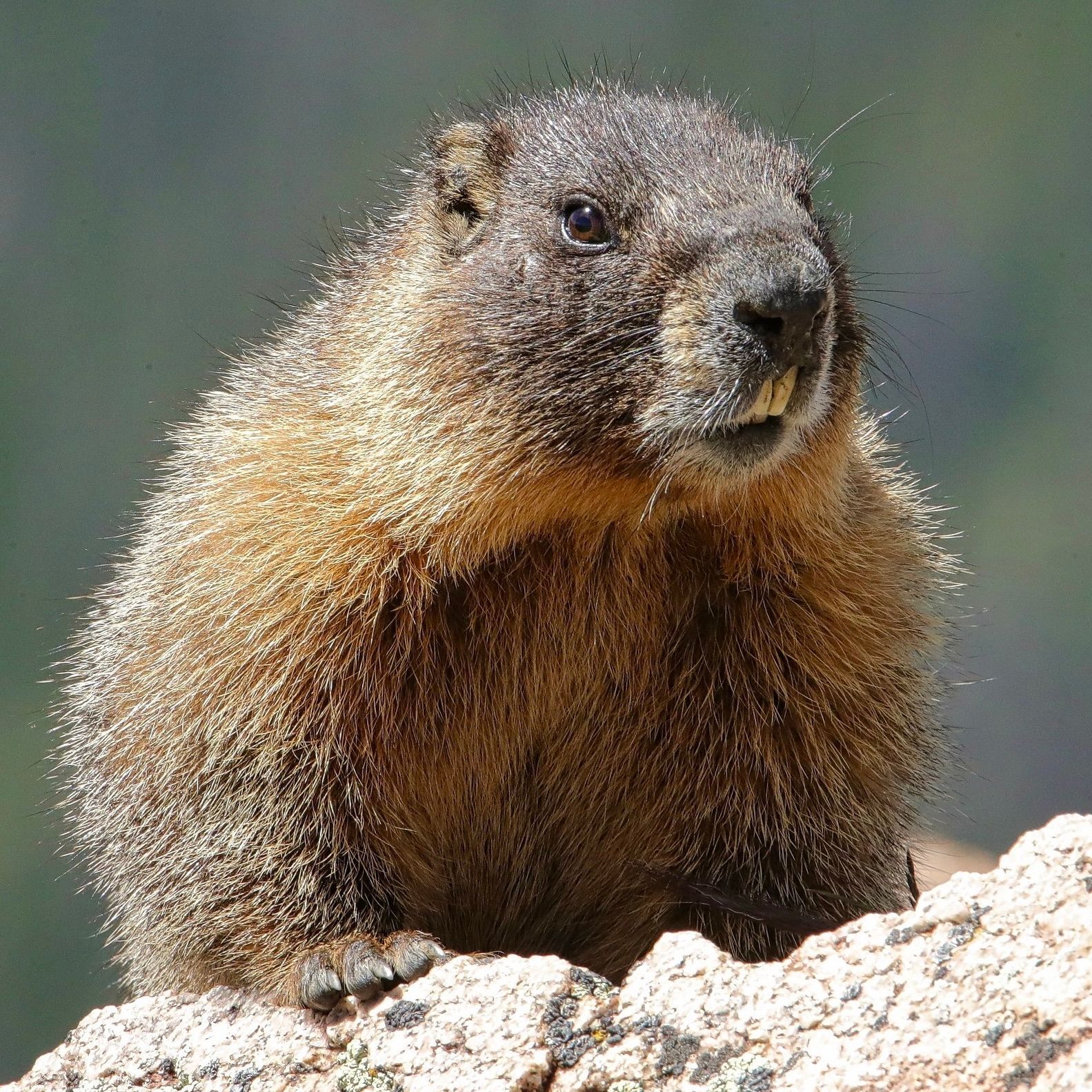


Marmots live a pretty good life, sleeping for eight months, emerging during the sunny days of summer to eat and mate, laying lazily on a rock sunbathing on the tundra, and whistling to protect each other against willy coyotes, flying predators, and unassuming tourists. They do it all with an amazing 12,000 foot view as if on top of the world.
The extreme winters on the tundra require marmots to hibernate for survival. While sleeping, all the colony members huddle closely together in a burrow insulated with grasses gathered during the summer. This helps reduce the demand for energy associated with hibernating.
While hibernating, the marmot's body temperature falls to forty-one degrees. Their summer-time active heart beat of 180 to 200 beats per minute decreases to thirty beats per minute. Marmots also need to take only one to two breaths per minute during the hibernation phase. Each of these physical traits ensure marmots have the energy to survive and reproduce when they wake each spring.
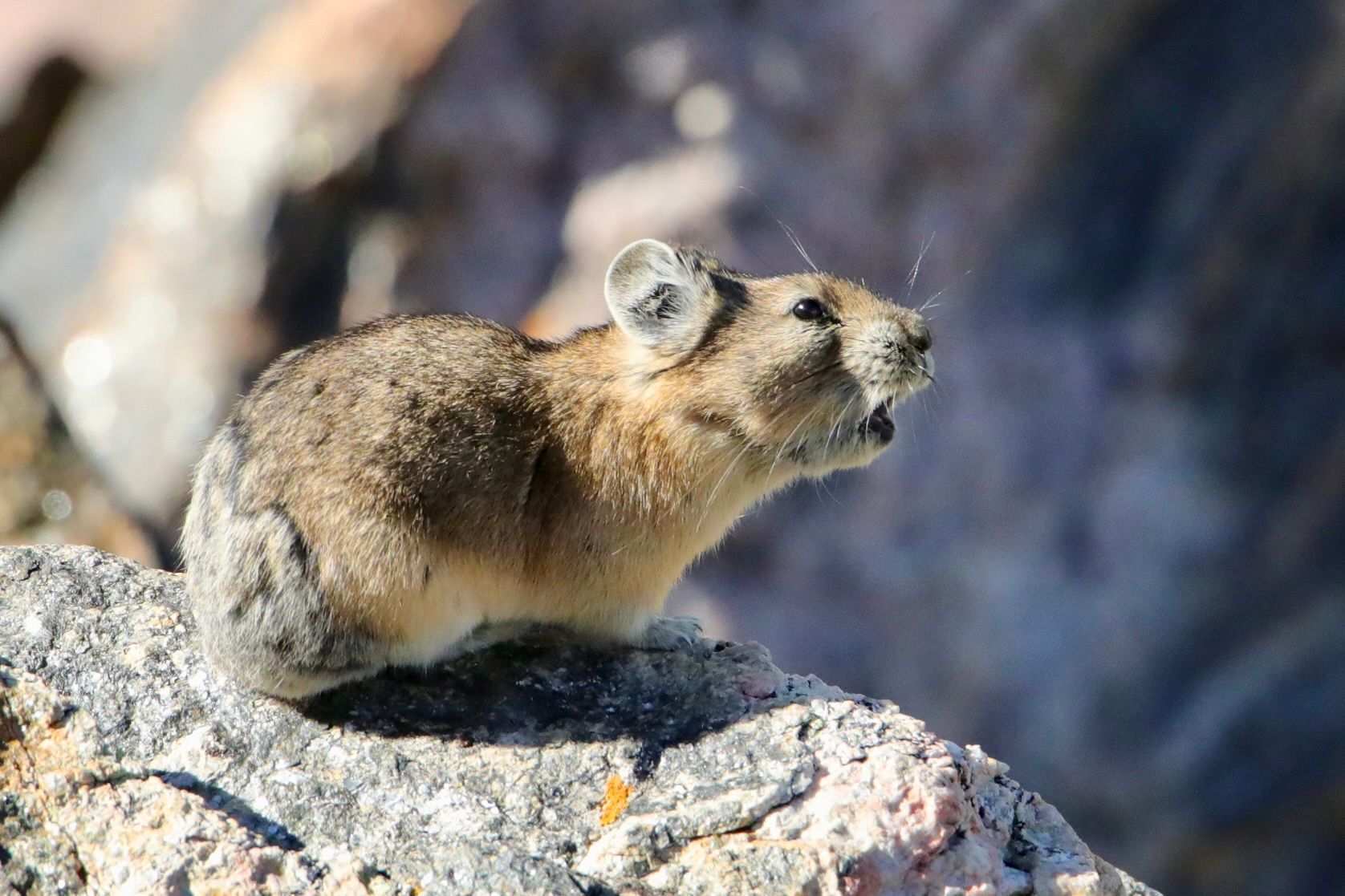
When you watch a marmot exploring the ground for food and grass to store in their burrows, their curious nature focuses on protection. Like the wonderful singing of The Marvelous Marmots, the chirping whistles of the yellow-bellied marmot is easily distinguishable. It’s not the “peep” squeak of a pika, but a sharp, louder warning whistle. The marmot’s mouth opens, its smaller, beaver-like teeth appear, and its whistle pierces the air.
So listen for them, watch for them sunning lazily on a rock, or sitting up and searching the surroundings to ensure safety. They are marvelous, whistle as they work, and scurry from rock to rock as if dancing to their favorite band. They are not just yellow-bellied marmots. They are marvelous marmots.
Source: National Park Service - https://www.nps.gov/romo/learn/nature/marmot.htm