Living History of the American West
Beautiful, Dynamic Beasts of Raw Power
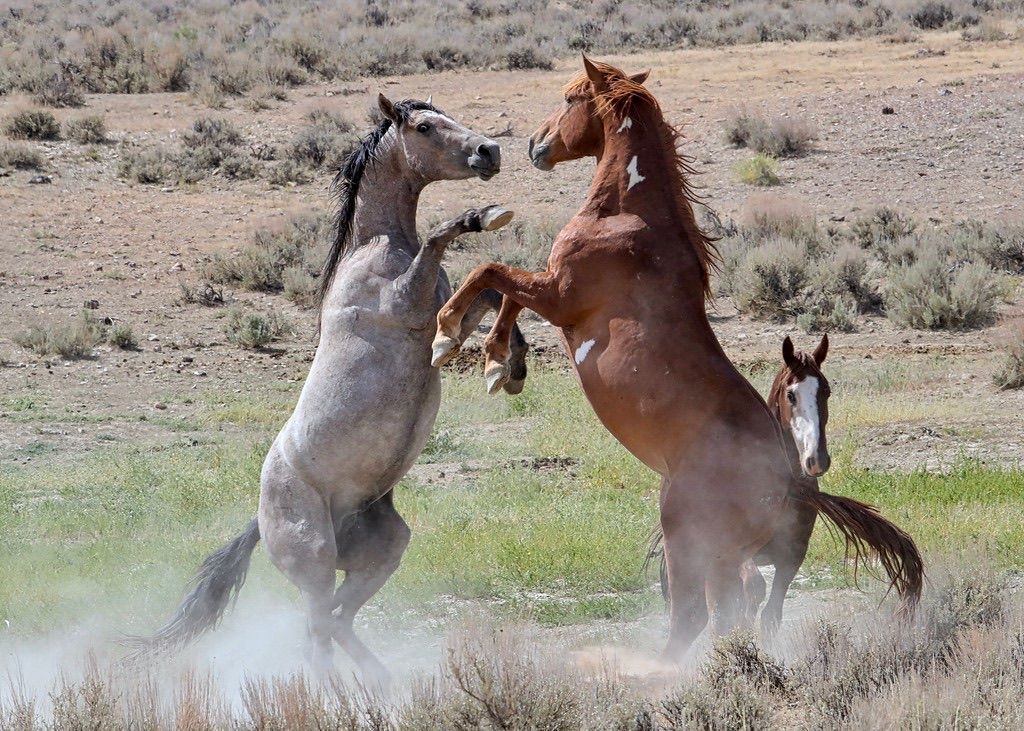
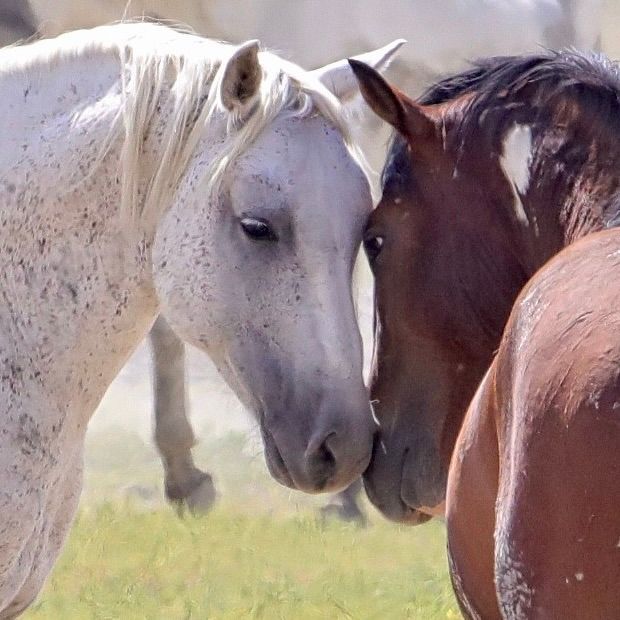
I’m not necessarily a horse person. More of a moose or elk person, and on a good day, a bear person. But horses, I didn’t really pay much attention until 2015 when I first photographed mustangs roaming freely on the beaches of the Outer Banks in North Carolina. They were beautiful, dynamic beasts of raw power. That experience piqued my interest.
Horses first evolved in North America around 55 million years ago, thriving during the last Ice Age before vanishing around 10,000 years ago due to climate shifts and hunting. Spanish explorers reintroduced them to North America in the 15th century, fundamentally transforming Native American cultures, shaping the American frontier until those things called automobiles came rolling along.
My first encounter with wild horses was one of both power and dominance along with a rookie mistake. I was standing along the Atlantic Ocean shoreline photographing a group of mares and one dominant stallion. As I took pictures, I was unaware of another stallion running from the dunes to challenge the dominant one for his females. That’s when I found myself between the two stallions and the mares. My big rookie mistake.
When I saw the dominant stallion move past me, I knew I was not in a good spot. Turning, I saw the other stallion galloping fast with power and intent toward the water’s edge. Knowing I needed to get out of harm’s way, I moved back up onto the beach near our Jeep and that of a tour vehicle full of people in awe of the amazing animals.
I turned to photograph the two stallions as they met face to face. Resolute, they reared up on their hind legs flailing. They stood eight feet tall against eight feet tall, 1,000 pounds challenging 1,000 pounds. Their mouths opened as they bit each other, making more facial scars where some already existed. It was a display of power that was both incredibly impressive and frightening to watch.
Then, as I photographed them, they suddenly turned towards me. With the speed and agility of a stampeding Kentucky Derby winner, they burst forward at full gallop. I remember it was about five strides, and they were on me as I dove and prayed, “Don’t stomp me or crush my ankle.”
Not nearly the athlete I once was, my dive showed it. From doing two and a half flips off the one meter on the University of Nebraska diving team (fifty years ago), I am now able to leap about two and a half feet. It was an awkward, pathetic dive as they ran through where this rookie horse photographer had been standing.

Others behind me ran for cover, my wife Carolyn barely escaping. The tourists in the vehicle behind us were screaming, yelling in fear for people to move as one man video taped the whole thing. As it turns out, he put the video on Facebook, and in the first month over a million people tuned in and laughed at my awkward diving antics.
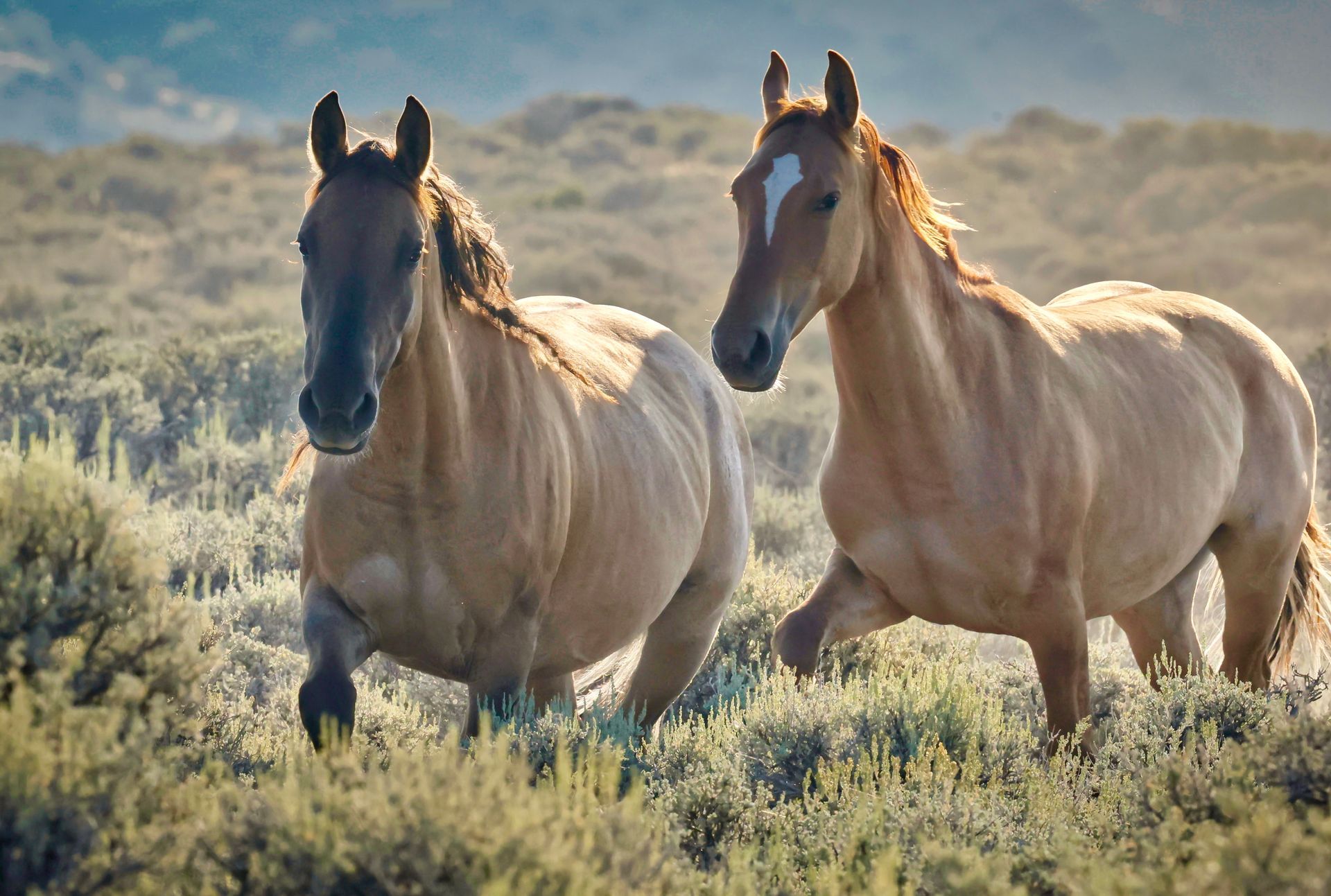
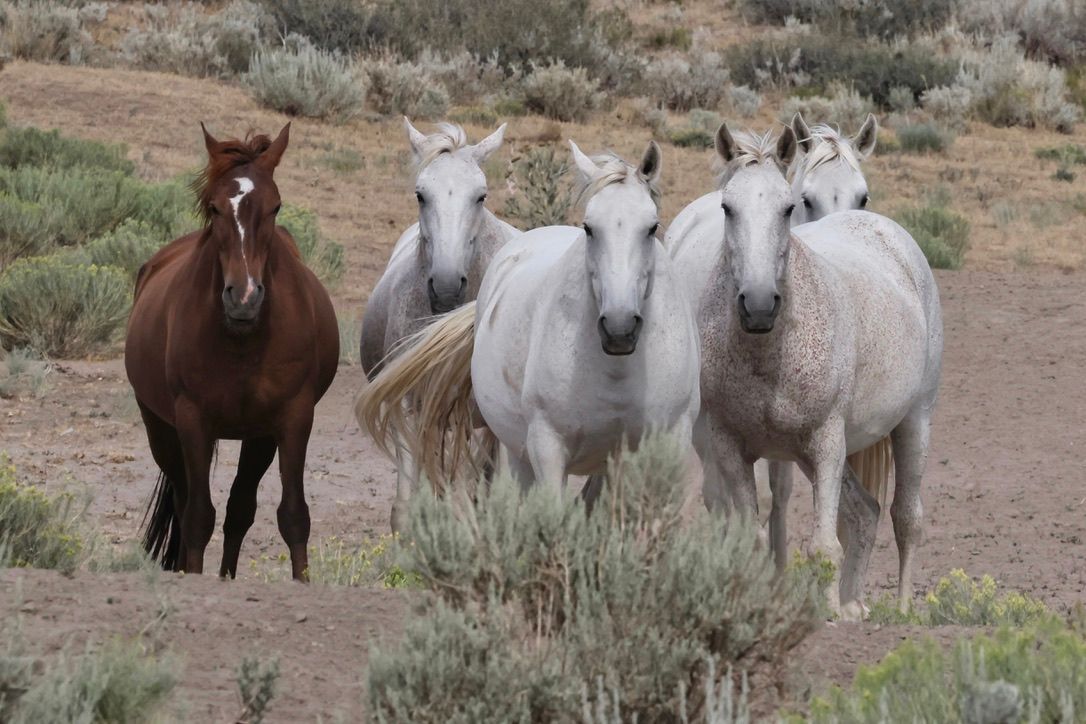
That was my first wild horse encounter. A pathetic dive for safety. Since then, I have learned much about wild horses from visits to photograph the bands at Sand Wash Basin and be educated by the exceptional professionals at The Wild Horse Refuge, both near Craig, CO.
In 2020, the Bureau of Land Management (BLM) estimated there were 733 wild horses at Sand Wash Basin Herd Management Area. In managing the horse population, based on the grazing and water needs of the horses, the target population range is 163 to 362 horses.
Over the past five years, the BLM has strategically been removing horses from Sand Wash Basin and throughout BLM land in the western U.S. This year alone, the BLM is planning to remove more than 14,000 mustangs and burros from public rangelands. Since 2020, the BLM has removed between 63,000 to 71,000 from public rangelands across the American West.
That’s when Pat Craig, the Founder and Executive Director of The Wild Animal Sanctuary stepped in. The Wild Horse Refuge near Sand Wash Basin is a 30,000-acre sanctuary, established in early 2023. It provides a permanent, fence-free home to restore freedom to 300 Colorado mustangs removed during Bureau of Land Management (BLM) roundups.
This past week, I was able to attend the The Wild Horse Symposium at The Wild Horse Refuge focused on educating the public on humane wild horse care, promoting science-based ethical herd management, showcasing rehabilitation practices, and transitioning mustangs from holding pens into successful adoptions.
In the time between diving away from two stampeding horses to appreciating the work of The Wild Horse Refuge, I’ve learned much about the heritage and beauty of America’s wild west horse population. To learn more, visit the wildhorserefuge.org.